Historical Review · Reseña Histórica
The Eternal Message
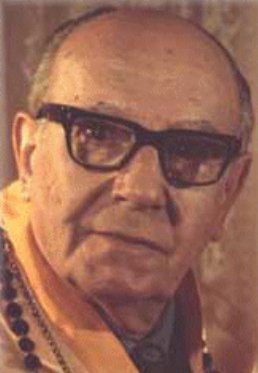
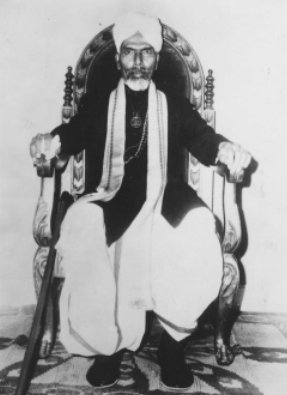
Don Benjamín Guzmán V. — Sri Vájera Yogi Dasa
Continental Instructor · Suddha Dharma Mandalam · Chilean Section
Instructor Continental SDMV · Sección Chilena
The figure who brought Suddha Dharma to Chile in 1927 — and through Chile to the rest of South America — with tireless effort to share these teachings with what he called "the inaccessible mentality" of the nineteen-twenties.
The Suddha Dharma Mandalam is an Esoteric Organization of remote origin, whose profound teachings are founded on the maximum expression of life, which is God or Parabrahman. This principle, being inherently present in the internal and external processes of the human being and their environment (the Universe), is the object of investigation and pursuit.
Suddha Dharma Mandalam es una Organización Esotérica, de origen remoto, cuyas profundas enseñanzas se fundamentan en la máxima expresión de la vida que es Dios o Parabrahmán, el cual inherentemente presente en los procesos internos y externos del ser humano y su entorno el Universo, se constituye en objeto de investigación y búsqueda.
Although this wisdom has gradually been forgotten and occasionally distorted over the passage of time, it is necessary to reassert it from time to time, with the sole purpose of delivering it as a selfless service to humanity, leading them to a state of peace, wisdom, and well-being.
Aunque con el transcurrir de los tiempos, poco a poco esta sabiduría se ha ido olvidando, y en ocasiones tergiversándose, se hace necesario reivindicarla de tiempo en tiempo, con la única finalidad de entregarla como un servicio desinteresado a la humanidad, llevándola a un estado de paz, sabiduría y bienestar.
The Revelation · La Revelación
The Message's
Revelation (1915)
At the dawn of the twentieth century, this message was revealed anew to the world, resting upon wise Masters from the land of Aryavarta (India). They dedicated themselves to the diffusion of these ancient truths, publishing them through commentaries, essays, and vast literature where the seal of their experiences can be appreciated. Subsequently, all of this was projected towards other latitudes.
En los albores del siglo veinte, este mensaje se reveló nuevamente al mundo, recayendo ello en sabios Maestros de la Tierra de Aryavarta (India). Ellos se dedicaron a la difusión de estas antiguas verdades, publicándolas a través de comentarios, ensayos y vasta literatura en donde se puede apreciar el sello de sus experiencias. Luego todo esto fue proyectado hacia otras latitudes.
Universal Wisdom · Sabiduría Universal
A Universal
Teaching
While it is true that this wisdom originated in India, the diligent seeker can realize that it is universal; this has been proven by the breadth of its concepts that involve the totality of thought, word, and actions.
Si bien es cierto esta sabiduría se originó en India, el estudioso buscador puede darse cuenta que ella es universal; así se ha comprobado por la amplitud de sus conceptos que involucran la totalidad del pensamiento, palabra y acciones.
This Suddha School was incorporated into our lives through the diffusion made in Chile by the esteemed Spiritual Instructor Don Benjamín Guzmán V. (Sri Váyera). With tireless effort, he sought to make this knowledge known since 1927. Since that time, efforts have been made to maintain these unalterable teachings in their strict purity, as they are considered to belong to the permanent character of the Process of Life or Sanátana Dharma.
Esta Escuela Suddha se incorpora a nuestra vida, a través de la difusión hecha en Chile por el recordado Instructor Espiritual Don Benjamín Guzmán V. (Sri Váyera), quien con denodado esfuerzo procura dar a conocer este conocimiento desde 1927. Desde aquella época se intenta mantener en el rigor de su pureza estas inalterables enseñanzas, como pertenecientes al carácter permanente del Proceso de Vida o Sanátana Dharma.
1915 · The Revelation
The Carriers of the Message
The purpose of this message was revealed in 1915 with the sole aim of providing a selfless service to humanity, with the responsibility of its diffusion falling upon a group of noble spiritual masters, originally from ancient India.
El propósito de este mensaje fue revelado (1915) con la única finalidad de entregar un servicio desinteresado a la humanidad, recayendo la responsabilidad de su difusión en una agrupación de nobles maestros espirituales, oriundos de la India milenaria.
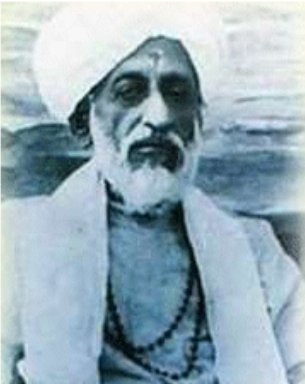
Swami Subramaniananda
First Initiatory Authority
Suddha Dharma Mandalam, India
Primera Autoridad Iniciática
Suddha Dharma Mandalam, India
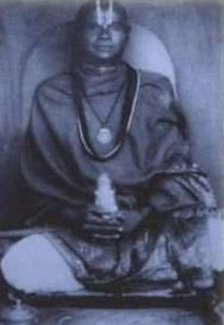
Pandit K. T. Srinivasachariar
Second Initiatory Authority
Editor of the SDM Gita
Segunda Autoridad Iniciática
Editor de la Gita SDM
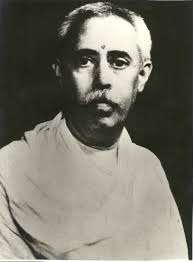
Sri Vasudeva Row
Master of Suddha Dharma
Maestro del Suddha Dharma
Sri T. M. Janardana
Third Initiatory Authority
Master of Suddha Dharma
Tercera Autoridad Iniciática
Maestro del Suddha Dharma
Featured Article · Artigo em Destaque
Yoga is Synthesis
We have always heard about different types of Yoga: Yoga of action, of devotion, of knowledge, Yoga of the mind, of the body, different modalities of practices of components of Yoga such as, for example, of asanas, of mantras, Yoga of the so-and-so, Yoga of the such-and-such, there being even attempts at trademarking the brand!
If we consider that Yoga is a term of maximum extension and fullness, any word placed alongside it only restricts its meaning, adapting to the natural human tendency to fragment, divide, and put energy into one aspect of life to the detriment of others, moving away from the fundamental principle of Yoga, which is fullness.
Many, when defining Yoga, do so classically only by the famous verse from the Yoga Sutra of Patanjali: Yoga Chitta vritti nirodha — Yoga is the suppression of the modifications of the mind. Viewed from this angle, the goal of Yoga seems to be a very subjective state, because the word nirodha (suppression) brings us a notion of the absence of something and does not exactly define what Yoga is.
In the following verse of the same Yoga Sutra, Patanjali says: tada drashtuh swarupe vasthanam — by reaching this state, one achieves the realization of swarupa, one's own true nature. Therefore, we should understand the chitta vritti nirodha only as a means to achieve Yoga, which is sambhanda or the progressive contact with the Truth, that which is defined as being immutable and absolute — Atma swarupena saha pragnaya sambhandha.
"Atma," contained in this verse, leads us to understand that the goal of Yoga is not a fleeting psychological state, but the realization of the ultimate essence of being.
Yoga teaches us that the cause of all human suffering is ignorance — avidya — of what we truly are; the consequent identification — asmita — with our emotions, thoughts, and bodies which, in truth, are instruments of the Self. From this identification come attachment and aversion — raga and dwesha — from which arises a feeling of unsatisfactoriness and incompleteness leading to frustration, which is a better translation of the Sanskrit word dukkha than "pain" itself.
As a result of the previous causes, abhinivesha arises, which can be translated as an exaggerated thirst to enjoy life, thereby losing perspective of the real objectives of life. The only solution for this existential problem is, from the point of view of Yoga, progressive contact with the Self or Purusha or Atma that permeates the entire Universe, but which can be found in the innermost part of ourselves, in the sanctuary of our hearts.
By exercising the methods of Yoga, a disidentification of our pragna or consciousness is produced in relation to our dense and subtle bodies and their modifications. Glimpses, in the silence of meditation, of this Truth which is pure Happiness, produce effects that lead to the realization of another masterful definition of Yoga, given by the incarnated Ishwara, Bhagavan Sri Krishna, contained in the Srimad Bhagavad Gita, when He says:
Yogaha karmasu kouchalam — Yoga is mastery in actions.
Bhagavan Sri Krishna · Srimad Bhagavad GitaIn the next issue, we will deal with this and another definition of Yoga contained in the Gita.
Original em Português — Yoga é Síntese
Sempre se ouviu falar de diferentes tipos de Yoga: Yoga da ação, da devoção, do conhecimento, Yoga da mente, do corpo, diferentes modalidades de práticas de componentes do Yoga como, por exemplo, de asanas, de mantras, Yoga do fulano, Yoga do beltrano, havendo até tentativas de propriedade da marca!
Se consideramos que Yoga é um termo de máxima extensão e plenitude, qualquer palavra colocada ao lado dela só restringe seu significado, adaptando-se à tendência natural do ser humano de fragmentar, dividir e colocar sua energia em um aspecto de sua vida em detrimento dos outros aspectos, afastando-se do princípio fundamental do Yoga, que é a plenitude.
Muitos, quando definem Yoga, só o fazem, classicamente, pelo famoso verso do Yoga Sutra de Patanjali: Yoga Chitta vritti nirodha — Yoga é a supressão das modificações da mente. Visto por este ângulo, a meta do Yoga parece ser um estado muito subjetivo, porque a palavra nirodha (supressão) nos traz uma noção de ausência de alguma coisa e não define exatamente o que é o Yoga.
No verso seguinte do mesmo Yoga Sutra, Patanjali diz: tada drashtuh swarupe vasthanam — alcançando-se este estado se alcança a realização de swarupa, sua natureza própria. Portanto, devemos entender o chitta vritti nirodha apenas como um meio de se alcançar o Yoga, que é sambhanda ou o contato progressivo com a Verdade, aquilo que é definido como sendo imutável e absoluto — Atma swarupena saha pragnaya sambhandha.
Yoga nos ensina que a causa de todos os sofrimentos humanos é a ignorância — avidya — daquilo que nós realmente somos; a consequente identificação — asmita — com nossas emoções, pensamentos e corpos que, na verdade, são instrumentos do Eu. Desta identificação provém o apego e a aversão — raga e dwesha — de onde surge um sentimento de insatisfatoriedade e incompletude levando à frustração, melhor tradução da palavra sânscrita dukkha do que propriamente dor.
A única solução para esse problema existencial é, do ponto de vista do Yoga, o contato progressivo com o Ser ou Purusha ou Atma que compenetra todo o Universo, mas que pode ser encontrado no mais íntimo de nós mesmos, no santuário de nossos corações. Ao exercitarmos os métodos do Yoga produz-se a desidentificação de nossa pragna ou consciência em relação aos nossos corpos densos e sutis e suas modificações. Glimpses, no silêncio da meditação, desta Verdade que é pura Felicidade, vão produzindo efeitos que levam a realizar outra magistral definição de Yoga, dado pelo Ishwara encarnado, Bhagavan Sri Krishna, contido no Srimad Bhagavad Gita, quando Ele diz: Yogaha karmasu kouchalam — Yoga é maestria nas ações.
Study Texts
Suddha Dharma Philosophy & Study of Dhyana
Complete unabridged study texts from Suddha Dharma Mandalam — covering the Three Gunas, the nature of Mind, the Five Koshas, and the levels of Meditation as described by Bhagavan Narayana.
1 · The Three Gunas — Qualities of Nature
Guna means quality or characteristic. Every plane and state of existence is conditioned by the three Gunas in different proportions.
| Plane | State of Gunas | Description |
|---|---|---|
| Avyakta (Unmanifested) | Equilibrium | Perfect state of inactivity; Mula-prakriti is undifferentiated. |
| Vyakta (Manifested) | Disequilibrium | Gunas become unstable through the action of Shakti, giving origin to cosmic manifestations. |
The Divine Trinity and the Gunas
The three Gunas are under the direction of three aspects of Divinity:
- SATTVA: Purity, equilibrium, and tranquility — represented by VISHNU.
- RAJAS: Activity, motion, and desire — represented by BRAHM.
- TAMAS: Inertia and immobilization (precedes destruction) — represented by SHIVA.
Examples in Nature: Sattwa predominates in sunlight, Rajas in an erupting volcano, and Tamas in a block of granite. In the Human Mind: Sattva brings meditative calm, joy, and inspiration; Rajas brings forth desire and action; and Tamas brings forth stupidity, despair, and envy. Note: Only Atman is free from the influence of Gunas.
2 · Mind: Manas and Mahat
The mind has two distinct aspects, commonly called Tatwakutas:
MAHAT — The Higher Mind
- Characterized by consciousness (Chetana) and deep insight.
- Located in the Adi Plane, the seat of Buddhi where the Divine seed germinates.
Attributes of Mahat
MANAS — The Inferior Mind
- Forms the Emotional Mind when associated with the emotional principle (Astral Body).
- The vehicle through which Buddhi (pure reason/intuition) acts as the thinking principle.
- The seat of memory and the instrument of waking consciousness (thoughts, feelings, pain, and pleasure).
Attributes of Manas
The Human Personality: Ahamkara is the "I-ness" principle that creates the sense of separation. The Lower I is synthesized by the inferior mind, the Astral body, and Ahamkara. Both minds express through Manomaya Kosha.
3 · The Five Koshas — Shields of Jiva
Each individual is enveloped in five shields that protect the atom of pure consciousness:
- Annamaya Kosha: Physical shield formed by food (solid, liquid, gas).
- Pranamaya Kosha: Vital shield made of Prana. It accumulates and distributes energy through the ethereal double.
- Manomaya Kosha: Mental-emotional shield. The point of communication between the personality and the immortal soul (Jiva).
- Vignanamaya Kosha: Causal body/shield of Buddhi and Ahamkara.
- Anandamaya Kosha: Shield of bliss. The purest form of matter from the Akashic plane; the "body of Atman".
Atman and Jiva — The Light Bulb Analogy
To understand the relationship between the Supreme Self (Atman) and the individual soul (Jiva):
- The Glass: Represents the Physical, Subtle and Causal Bodies.
- The Filament: Represents Jiva (the part that shines and supports light).
- The Energy: Represents Atman (the source that makes it shine).
Atman is the aloof witness in all, maintaining oneness while Jiva experiences multiplicity.
4 · Divine Qualities Required to Contact Paramatman
To contact Paramatman, one must study Yoga Brahma Vidya and possess these qualities:
5 · Levels and Aspects of Meditation — Description by Bhagavan Narayana
The thoughts of man are always attracted to things in which they have interest; therefore, put your thoughts in the Supreme Brahman (the Pure One) as the object of meditation. Brahman is without attributes and also full of attributes; He is eternity and is perceived through our cognitive faculty.
The Three Aspects of Meditation and Their Results
Meditating on Brahman with Attributes (Saguna): This grants physical strength, which is a valuable help to reach what is superior. It also brings the power of Anima (the power of the spirit Shakti) and other Siddhis.
Meditating on Brahman without Attributes (Nirguna): This grants the power of knowledge and the talent to know everything. It confers Samadhi, or the absorption of thought in Atman.
Meditating on Pure and Transcendent Brahman (Suddha): This blesses the practitioner with the Supreme perfection of Brahman, granting all the fruits that any earthly effort may create. It produces the enjoyment of eternal approximation towards Brahman and the ability to perform elevated Hierarchic functions.
Classification of Meditation (Dhyana)
I. SAGUNA DHYANA (Objective Meditation): This refers to meditation on the aspect of Divinity that is characterized by Gunas (attributes) and is performed with a specific form or image. The mind focuses on an image, sound (mantra), or quality. The meditation must be fixed and continuous, not mixed with tainted emotions such as selfishness, random thoughts, or daydreaming.
II. NIRGUNA DHYANA (Subjective Meditation): This refers to meditation on the aspect of Divinity that transcends Trigunic manifestation (Sattva, Rajas, and Tamas). The Divinity is perceived as Light living in the ether of the heart. It is a miniature archetype of Purusha, perceived as a "thumb-full of Divine splendor" visible only in the highest mind level. It leads directly to Suddha Meditation.
III. SUDDHA DHYANA (Transcendent Contemplation): This is the contemplation of Divinity as the first cause of all cosmic manifestation, whose body is the infinite cosmos. An immersion in the Universe, where the disciple perceives Brahm as everything and recognizes all forces and laws of cosmic existence. The disciple is filled with the idea that all that exists is verily Brahm.
The Path of Yoga and Study
True Yogis aim to contact Paramatman, which is Saguna and Nirguna at once. In order to contact this aspect of God, Yogis should study The Synthetic Science of the Absolute (Yoga Brahma Vidya) and should be endowed with the qualities listed above.
Final Instructions on the Process
- Focus on Bliss: The mind should reflect on a specific picture that represents a bliss-giving object to prevent wandering or pain.
- Visualization: Visualization of form is imperative; otherwise, it is only Chinta (reflection).
- Practice of Suddha Dhyana: This is the process of collecting all dissipated thoughts and integrating them into the One ALL Source – Brahm.
- Maintenance & Repetition: Maintain this state without force. Repeat surely and incessantly until a state of LAYA (fusion) happens in Manas.
- Recollection: Frequently recollect the idea that all aspects of creation emanated from this ALL ONE source, Brahm. It is only with advancement and determination that truth can be known.
Video Teachings
Video Lecture Series on YouTube
YouTube Playlist
Sādhana — The Power of Mantras for Spiritual Practice and Health
39 videosA complete series on the science of Sādhana, exploring the transformative power of sacred mantras for spiritual evolution and physical well-being.
Watch Full Playlist →YouTube Playlist
Sanatana Dharma Sutras — The Path to Illumination
19 videosAn in-depth study of the foundational Sanatana Dharma Sutras, unveiling the timeless aphorisms that guide the practitioner toward liberation.
Watch Full Playlist →YouTube Playlist
The Path of Fullness — Śuddha Rāja Yoga
Ongoing series · 26 videos so farA comprehensive and growing series on Śuddha Rāja Yoga — the Royal Path that synthesizes Jnana, Bhakti, and Karma Yoga into one complete system.
Watch Full Playlist →🇧🇷 Videos in Portuguese
These lectures are delivered in Brazilian Portuguese. YouTube provides automatic translation: click the ⚙ Settings icon on any video → Subtitles/CC → Auto-translate → choose your language. Subtitles can also be toggled with the CC button.